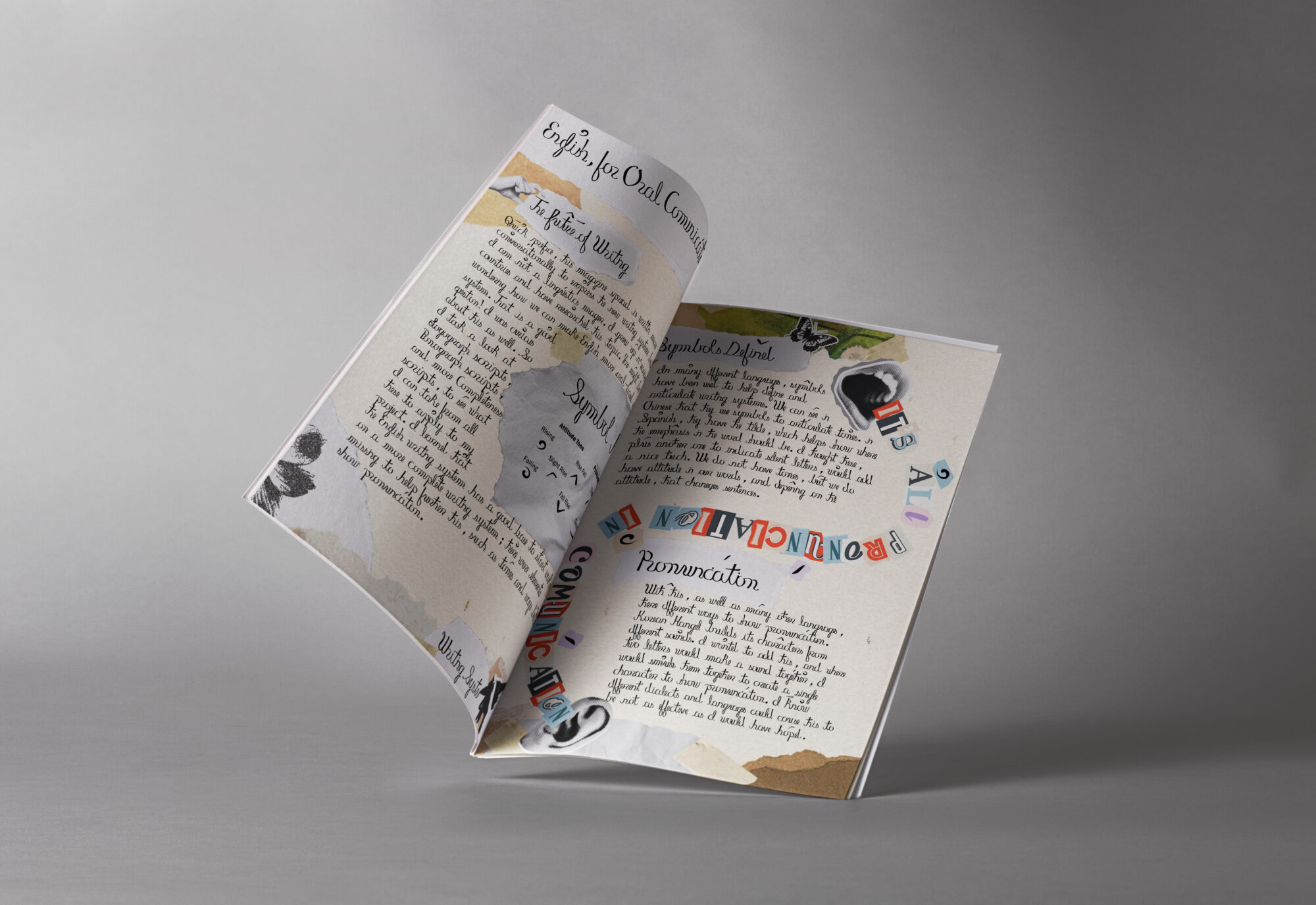
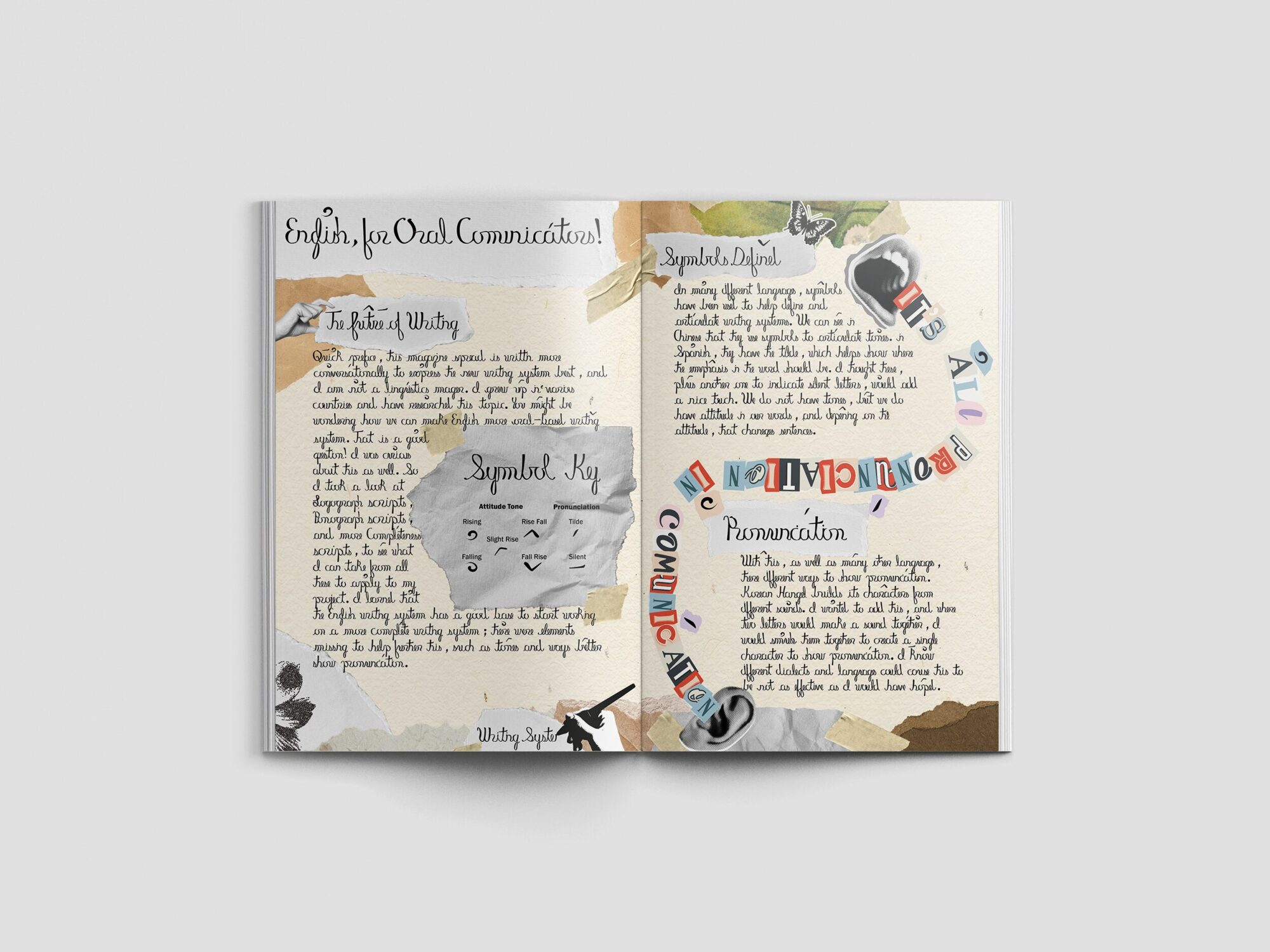
Many languages have different writing styles. If we look at them, we can see the emphasis each one puts
on. There are several main categories, as one scholarly book explains the difference between them
and their uniqueness. There are Logographic, Phonographic, and Completeness scripts; all of these
have different attributes that make them unique from one another. Phonographic, as the book explains
it, is “the size of phonetic units represented by the script elements.” (Allan) This version of the script
focuses on the phonetic sounds to create the script, whereas we can see in the Logographic script that
it is a bit different. As the book explains, “elements stand for elements of the first articulation such
as words” (Allan). This type of script focuses more on the symbols given to it that create the words
instead of focusing on creating each one based on phonetics. The third one we can see, which is called
Completeness, is in some ways a combination of the other two, as the book explains, “A script may
omit some meaningful components of speech or record them in an ambiguous fashion which does
not uniquely determine the spoken form intended.” (Allan) It is interesting that there is almost this in
between the other two scripts. As I look more into it, I hope to see more specifically what key elements
from these different scripts I can use to help the English writing system have more elements of oral
communication to enhance the English writing system.
As we look at the future of typography and combining writing. As I started to look at how I plan on
working through this project, I wanted to see how scholars in the field have done their own research into
this idea and what they have gotten out of it. As one article explains about the situation, “Typographical
design today is closely related to the internationalisation of information technology and, in this sense,
typeface designers, being as they are directly implied in the economic, social and cultural development
of globalisation, assume a specific responsibility” (33, Balius). Our world is truly shrinking in a lot of
ways, and a lot of the culture, traditions, and even languages are starting to be mixed and combined in
different ways. If we work in an environment where this is prevalent, how can we best help unify or help
one another with language? I believe that the project I am working on will help do this by giving people
who come from a more oral communication background or a phonographic script experience a better
understanding of English. It isn’t easy, though, for as the book continues to explain later, “Every writing
system, be it alphabetic or not, is the result of a specific evolution and has its own structure and system of
proportions. Thus, when two or more alphabets are combined in the same font, each one must preserve
its proportions, for this affects its legibility and cultural idiosyncrasy” (36, Balius). This is really important
as I am going forward in understanding my project as well as my paper. Looking at history, not just the
future, there is so much culture and tradition that is wrapped up in these languages, and I need to be
careful and kind not to offend other cultures while working on my project. As well, these languages have
had a steady evolution throughout this time, and helping other cultures better understand or break down
a language might not always be welcomed and could seem like a hassle, and also could come across as
not understandable to those who are naturally born English speakers and writers. These will be things I
will continue to remember as I move forward in this project.